
The wait is almost over. The Court of Arbitration for Sport (CAS) has confirmed that it will announce its decision on Tuesday, November 24, regarding the appeal filed by the Senegalese Football Federation (FSF) against the Confederation of African Football (CAF) and the Royal Moroccan Football Federation (FRMF).
In a statement published on Monday, November 23, the Lausanne-based institution announced that its ruling would be delivered during the afternoon. The announcement marks a decisive moment in a dispute that has continued for months following one of the most controversial finals in African football history.
CAS confirmed that all three parties involved — the FSF, CAF and FRMF — had been officially informed of the decision date.
The arbitration body also stressed that any information concerning the case would be communicated exclusively through its official channels. It further announced that it would suspend media communication on the matter until the verdict is officially published.
A Controversial Final That Changed Everything
The dispute originates from the AFCON 2025 final, played on January 18 at the Prince Moulay Abdellah Sports Complex in Rabat.
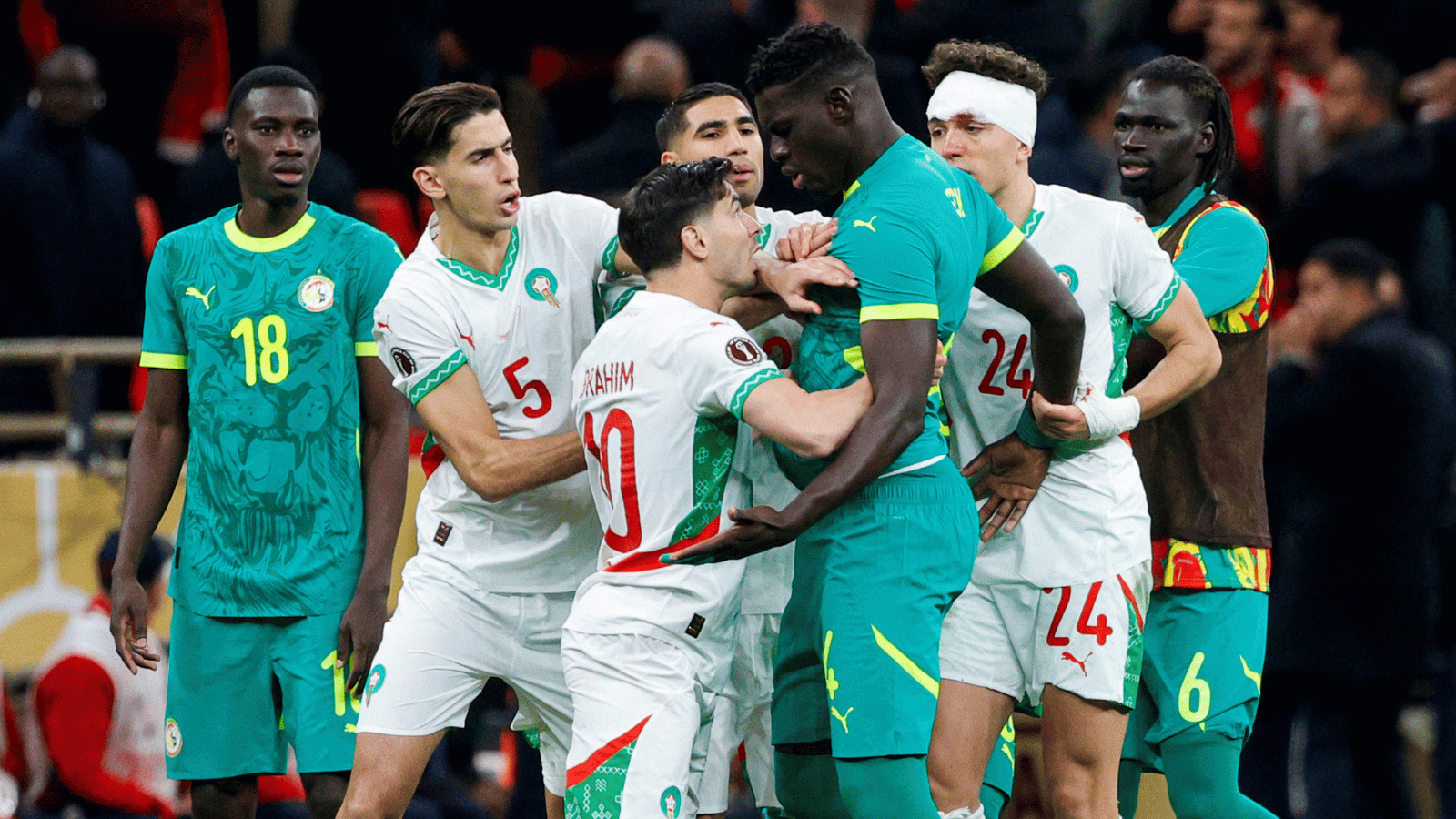
The match between Morocco and Senegal was dramatically interrupted for approximately 16 minutes after Senegalese players left the pitch to protest a penalty awarded to the Atlas Lions during the closing stages of normal time.
Following the resumption of play, Brahim Díaz missed the penalty, leaving the score level and sending the contest into extra time.
Senegal eventually secured a 1-0 victory, with Pape Gueye scoring the decisive goal to claim the African title on the pitch.
However, the controversy surrounding the interruption and the Senegalese players' departure from the field triggered a lengthy disciplinary and legal process.
CAF's Appeal Committee Awards Morocco a 3-0 Victory
Following the final, CAF initially imposed several disciplinary sanctions without changing the match result.
The situation took a major turn on March 17, when CAF's Appeal Board ruled in favour of the Moroccan federation's appeal.
Applying Articles 82 and 84 of the AFCON competition regulations, the committee declared Senegal to have forfeited the final and awarded Morocco a 3-0 victory by default.
The decision fundamentally changed the official outcome of the tournament and prompted the Senegalese Football Federation to challenge CAF's ruling before CAS.
The Lausanne-based tribunal is now responsible for reviewing the dispute and determining the outcome of the appeal.
Behind Closed Doors: The October 8 Hearing in Lausanne
The case was examined during a hearing held on October 8 at CAS headquarters in Lausanne, Switzerland.
The proceedings took place behind closed doors before a three-member arbitration panel composed of:
- Gérald Simon (France) – President of the panel.
- Luigi Fumagalli (Italy) – Arbitrator.
- Ulrich Haas (Germany) – Arbitrator.
Following the hearing, the arbitrators began their deliberations.
In a communication published on October 19, CAS indicated that its decision would be delivered towards the end of November. The tribunal has now confirmed the precise date, bringing an extended period of uncertainty closer to its conclusion.
November 24: A Defining Moment for African Football
Tuesday's announcement will carry enormous significance for all three parties.
For Morocco, it concerns the official recognition of the title awarded by CAF's Appeal Board. For Senegal, it represents the final opportunity to challenge that decision through the sports arbitration process. CAF, meanwhile, awaits a ruling on one of the most consequential disciplinary disputes in its recent history.
The verdict will also have implications beyond the two national teams, given the importance of competition regulations, disciplinary procedures and the authority of African football's governing institutions.
After months of legal arguments and uncertainty, the focus now shifts entirely to Lausanne.
On November 24, the final chapter of the AFCON 2025 controversy is expected to begin. The decision will determine the legal outcome of a final that has left a lasting mark on African football.