
A New Voice in the Dugout, the Same Beating Heart
Morocco arrive at the 2026 World Cup with a new architect in the technical area — and the story of how he got there is every bit as compelling as the squad he now leads.
Walid Regragui — the architect of the 2022 fairytale — stepped away after [the extraordinary circumstances surrounding the AFCON 2025 final](/news/morocco-afcon-2025-winners-senegal-stripped). The Royal Moroccan Football Federation turned to Mohamed Ouahbi, and the quietness of that appointment is, in itself, the whole story.
Born From Within: The Man Who Already Knows How to Win
Ouahbi was not parachuted in from Europe or pulled from a club role. He was already inside the federation — specifically, he was the head coach of [Morocco's U-20 team that won the FIFA U-20 World Cup in Chile in October 2025](/news/morocco-u20-world-cup-2025-champions).
The logic of his promotion is hard to argue with. The man who delivered Morocco's first FIFA trophy at any age category gets the senior job a few months later. Per CAF Online's tournament report, Ouahbi's U-20 side "combined defensive solidity with fearless attacking football" — and that is the exact same identity the senior team is now asked to carry into 2026.
The Golden Core Remains Untouched
The squad that won [AFCON 2025](/news/morocco-afcon-2025-winners-senegal-stripped) and qualified for the 2026 tournament with two matchdays to spare arrives broadly intact.
Achraf Hakimi remains captain at right back. Brahim Diaz pulls the strings as creator-in-chief at number 10. Yassine Bounou commands the goal.
Youssef En-Nesyri leads the line. RotoWire's tactical preview, published in May 2026, confirms Ouahbi is keeping the structural identity firmly in place rather than rewriting it.
What he has refreshed is the depth and the shape of his squad lists. Several fringe positions have been turned over since Regragui's last camp — partly shaped by injuries (Hamza Igamane's cruciate tear, Munir Mohammed's shoulder issue, Adam Masina's bruised hip), partly by Ouahbi's own emphasis on younger Europe-based options and a handful of U-20 graduates whose names he knows better than anyone in the federation.
Compact, Disciplined — Then Explosive
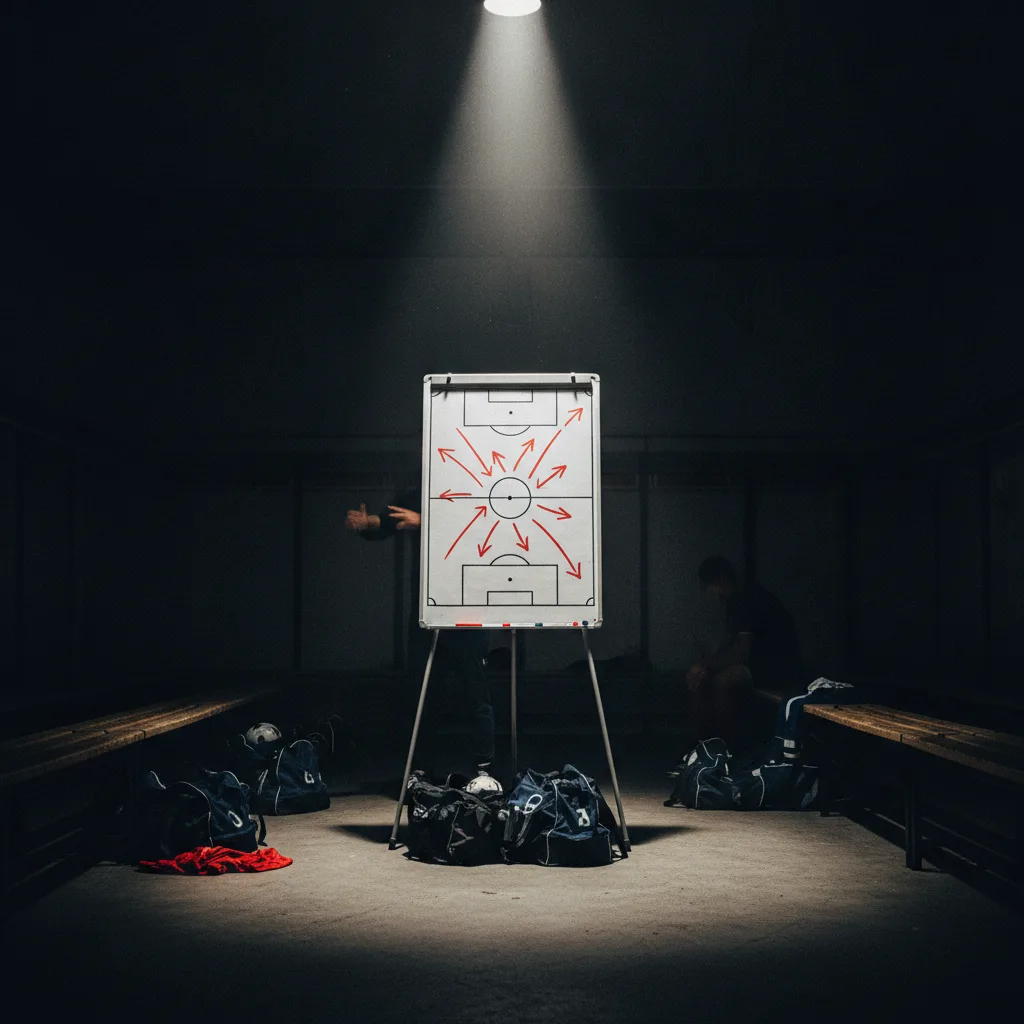
Ouahbi runs Morocco in either a 4-1-4-1 or a 4-3-3. The shape adapts; the principles never waver.
RotoWire captures the identity precisely: "compact and disciplined without the ball, fast and direct the moment space opens up." That is the same DNA Regragui's Morocco wore in Qatar — just with a slightly tighter midfield grid and a clearer plan for full-back-driven progression. Dima Maghrib!
The set-piece infrastructure tells you exactly who Ouahbi trusts. Hakimi, Abde and Diaz are the assigned corner and free-kick takers. Diaz is the designated penalty taker — a deliberate, faith-filled decision. Diaz famously missed his Panenka attempt in the AFCON 2024 shootout against South Africa, and Ouahbi has reinstated him at the spot with clear purpose: the staff want him to fully own that moment by the time it arrives in New Jersey.
What This Appointment Tells the World
Two things stand out about Ouahbi's hire. First, the Federation chose internal continuity over a marquee European name. There were quiet rumours about bigger profiles being approached; none became real.
The message from inside the federation is unambiguous: the project is the squad, not the manager.
Second, Ouahbi's brief is clear and focused — navigate Group C, advance from the group, and put Morocco in a knockout draw where their structure can hurt anyone. He is not being asked to invent something new before [June 13 against Brazil](/news/morocco-vs-brazil-world-cup-2026-opener). He is being asked to ensure that what already works continues to flourish.
He has done it once already — with a younger, less experienced squad in Chile. Doing it twice in twelve months would place him in coaching territory no Moroccan manager has ever occupied.
A Manager Forged for This Exact Moment
Walking into the biggest tournament window since 1998 as a first-time senior international manager is no small thing. Ancelotti is making the same leap across the touchline for Brazil at MetLife.
But Ouahbi has already held a dressing room under the brightest lights of a FIFA final and guided his players to history. The pressure when Morocco line up for the opener at MetLife Stadium will be its own animal entirely — a different scale, a different kind of roar.
He already knows what winning looks like. He already knows how to build it.
If he lets this squad play the football they already know — compact, disciplined, then suddenly and gloriously explosive — Morocco will remind the world, once again, what this nation is truly capable of. After Chile, nobody should doubt that Ouahbi knows the way. Yalla Maghreb!
*See also:* [Morocco vs Brazil — the opener that decides Group C](/news/morocco-vs-brazil-world-cup-2026-opener) · [Group C explained](/news/morocco-group-c-world-cup-2026) · [How Morocco qualified for 2026](/news/how-morocco-qualified-2026-world-cup)