
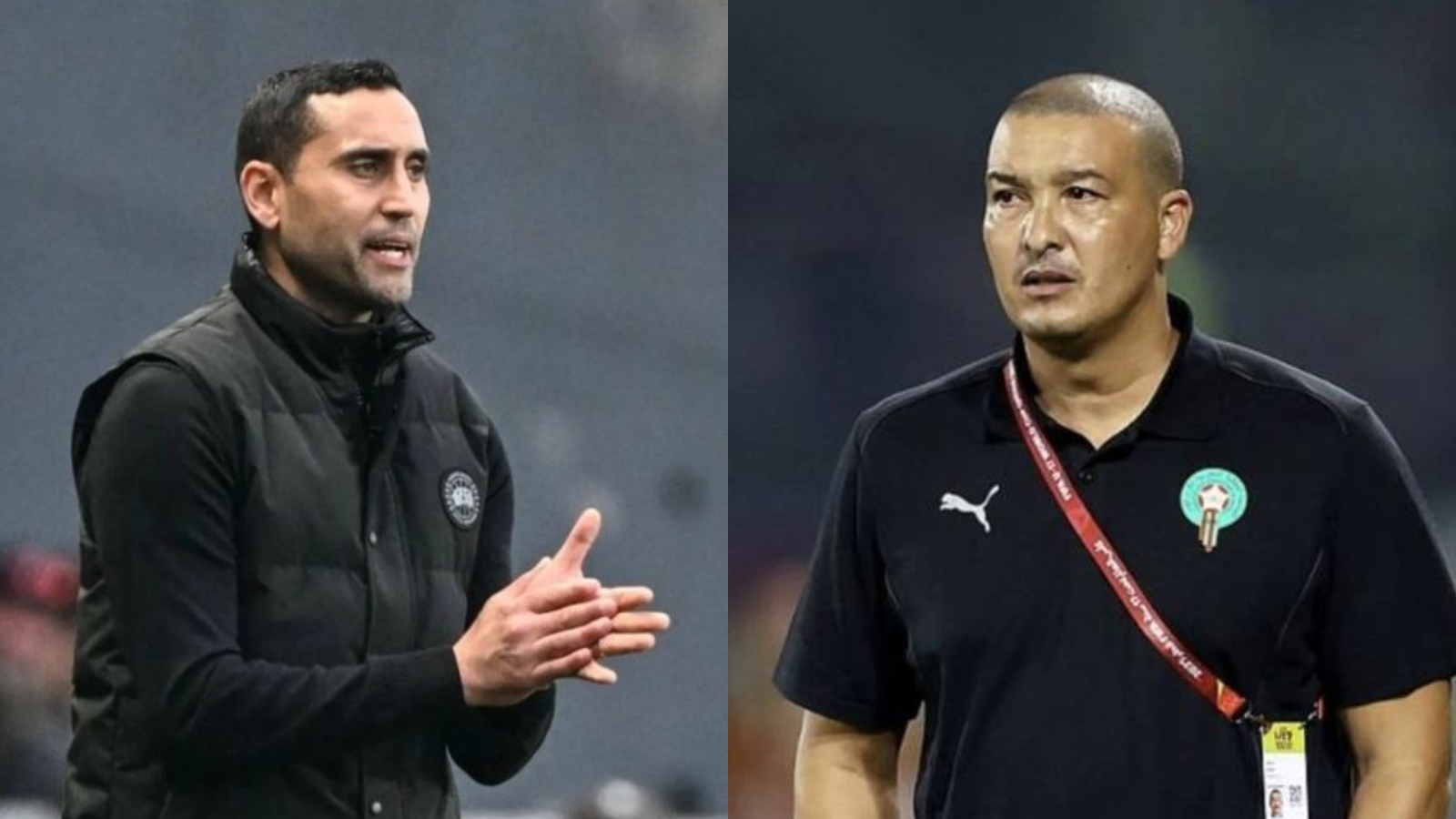
Morocco are taking an unusual but significant approach to youth football this November, with two separate U17 national teams representing the country in different international competitions.
While Ahmed Kantari leads the 2009-born generation at the 2026 FIFA U17 World Cup in Qatar, Nabil Baha is responsible for the younger 2010 generation competing in the UNAF U17 tournament in Tunisia.
The arrangement is not a coincidence or a duplication of responsibilities. Instead, it reflects Morocco's decision to organise its youth development programme around two successive generations, allowing both groups to gain valuable international experience.
With FIFA introducing an annual U17 World Cup, the international calendar has created new opportunities and challenges for national federations. Morocco's response is to prepare two squads simultaneously, each with its own objectives and competitive pathway.
Ahmed Kantari Leads Morocco's World Cup Generation
Appointed in August 2026, Ahmed Kantari has been entrusted with guiding Morocco's 2009-born players at the FIFA U17 World Cup, scheduled to take place in Qatar from November 19 to December 13.
The Moroccan coach has selected a 21-player squad combining talents developed domestically with promising prospects playing in European academies and clubs.
The Mohammed VI Football Academy and RS Berkane are among the domestic development structures represented, while Moroccan youngsters based abroad add further depth to the group.
Among the notable names are Ziyad Baha and Ismail El Aoud, two players expected to contribute to Morocco's ambitions on the global stage.
The Atlas Cubs have been drawn into Group H, where they will face Spain, China and Fiji.
It is a challenging assignment that will test the team's technical quality, tactical organisation and ability to compete against different footballing styles.
For Kantari, the objective will be to prepare a competitive squad capable of representing Morocco with ambition while giving this generation another opportunity to develop through elite international competition.
Nabil Baha Takes Charge of the 2010 Generation
At the same time, Nabil Baha is preparing Morocco's younger generation for the UNAF U17 tournament in Tunisia.
The coach, who guided Morocco to the 2025 U17 Africa Cup of Nations title, has named a 25-player squad primarily composed of footballers born in 2010.
The competition runs from November 9 to 17 and carries particular importance because it serves as a qualification pathway for the 2027 U17 Africa Cup of Nations.
Morocco will face Algeria, Egypt and hosts Tunisia, with the results determining their prospects of reaching the continental tournament.
Baha's squad brings together domestic academy talents and Moroccan prospects developing in European football. The selected players include youngsters associated with prominent development environments such as Chelsea, AC Milan, Ajax and RB Leipzig.
His experience winning the continental championship with the previous generation provides valuable continuity as Morocco look to maintain their competitiveness at youth level.
Why Morocco Have Created Two Separate Squads
The key reason behind this structure is the distinction between the two birth-year groups and their respective international commitments.
Rather than asking one squad to cover multiple competitions, the FRMF has divided its resources to ensure that both generations receive dedicated preparation and competitive opportunities.
The approach offers several advantages:
- More international experience: Two generations can compete in official tournaments during the same period.
- Better individual development: Each group receives preparation suited to its age and competitive objectives.
- Greater squad depth: The national federation can evaluate a wider pool of emerging Moroccan talent.
- Continuity in youth football: Younger players gain experience before progressing towards the next age category.
The two teams also have different immediate priorities. Kantari's players are preparing for the challenge of a World Cup, while Baha's squad is focused on securing qualification for the next U17 Africa Cup of Nations.
A Wider Vision for Moroccan Youth Football
Morocco's decision reflects the growing importance of youth development within its broader football strategy.
The introduction of an annual FIFA U17 World Cup means national teams have more regular opportunities to compete internationally. For federations with ambitious development programmes, this creates an opportunity to identify, prepare and expose more young players to high-level football.
By managing two successive generations simultaneously, Morocco can expand its talent pool while maintaining competitive objectives across different age groups.
The presence of players developing in European academies alongside those progressing through Moroccan structures also highlights the increasingly international nature of the country's youth football network.
Two Tournaments, One Moroccan Ambition
November represents an important month for the next generation of Moroccan footballers.
Kantari's team will seek to make an impression at the FIFA U17 World Cup in Qatar, while Baha's youngsters will attempt to secure their place at the 2027 continental championship in Tunisia.
Their competitions are different, but their broader purpose is the same: to strengthen Morocco's football future by giving emerging talents the experience and development opportunities needed to progress.
Two generations, two coaches and two international challenges — all part of Morocco's ambition to build a stronger future for the Atlas Cubs.