
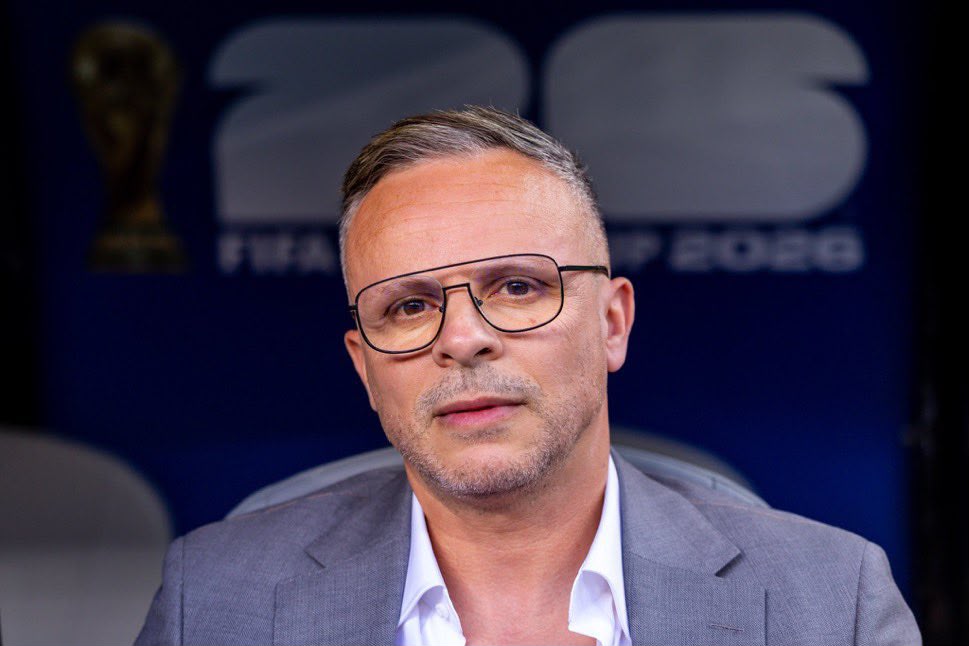
A new chapter is beginning for the Moroccan national team.
Following the end of the Atlas Lions' 2026 FIFA World Cup journey, attention is already turning toward the next cycle and the squad Mohamed Ouahbi will build for the challenges ahead.
The upcoming preparations for the Africa Cup of Nations qualifiers will provide the first glimpse of the coach's evolving vision.
A New Chapter After the World Cup
Morocco's World Cup campaign may have ended in the quarterfinals, but the tournament also provided valuable lessons and opportunities for the next stage of the national team's development.
Ouahbi now faces an intriguing selection puzzle: which established stars will retain their places, and which emerging players will force their way into the picture through their performances at club level?
The answer will not simply depend on age.
Experience Meets the Next Generation
The coming selection process could create a fascinating balance between players with years of international experience and a new generation eager to make its mark.
Established names will have the opportunity to demonstrate that their tactical intelligence, leadership, and consistency remain essential to the team.
At the same time, Morocco's rapidly developing young talents will be watching closely, knowing that strong performances with their clubs could open the door to international football.
Performance Above Everything
One of the most interesting aspects of the next phase will be the criteria behind Ouahbi's selections.
Age alone is unlikely to determine who stays and who arrives. Instead, current form, tactical value, consistency, and the ability to make a difference in the smallest details could become increasingly important.
That competitive environment can only strengthen the national team, giving every player an incentive to keep improving.
AFCON 2027: The First Major Test
The upcoming Africa Cup of Nations cycle will provide the perfect laboratory for Ouahbi to test his evolving squad.
African football demands experience, adaptability, physical strength, and composure under pressure, making the continental stage an important opportunity for Morocco's players to develop together.
At the same time, gradually integrating younger talents could help establish the foundations of a team capable of competing at the highest level for years to come.
Building Toward 2030
With the 2030 FIFA World Cup on the horizon, Morocco has a unique opportunity to develop its next generation while maintaining the competitive standards established in recent years.
The objective is not simply to replace one generation with another, but to create a squad where experience and youthful ambition complement each other.
The next Morocco squad is already taking shape, and for every Atlas Lion dreaming of wearing the national shirt, the door is wide open.