
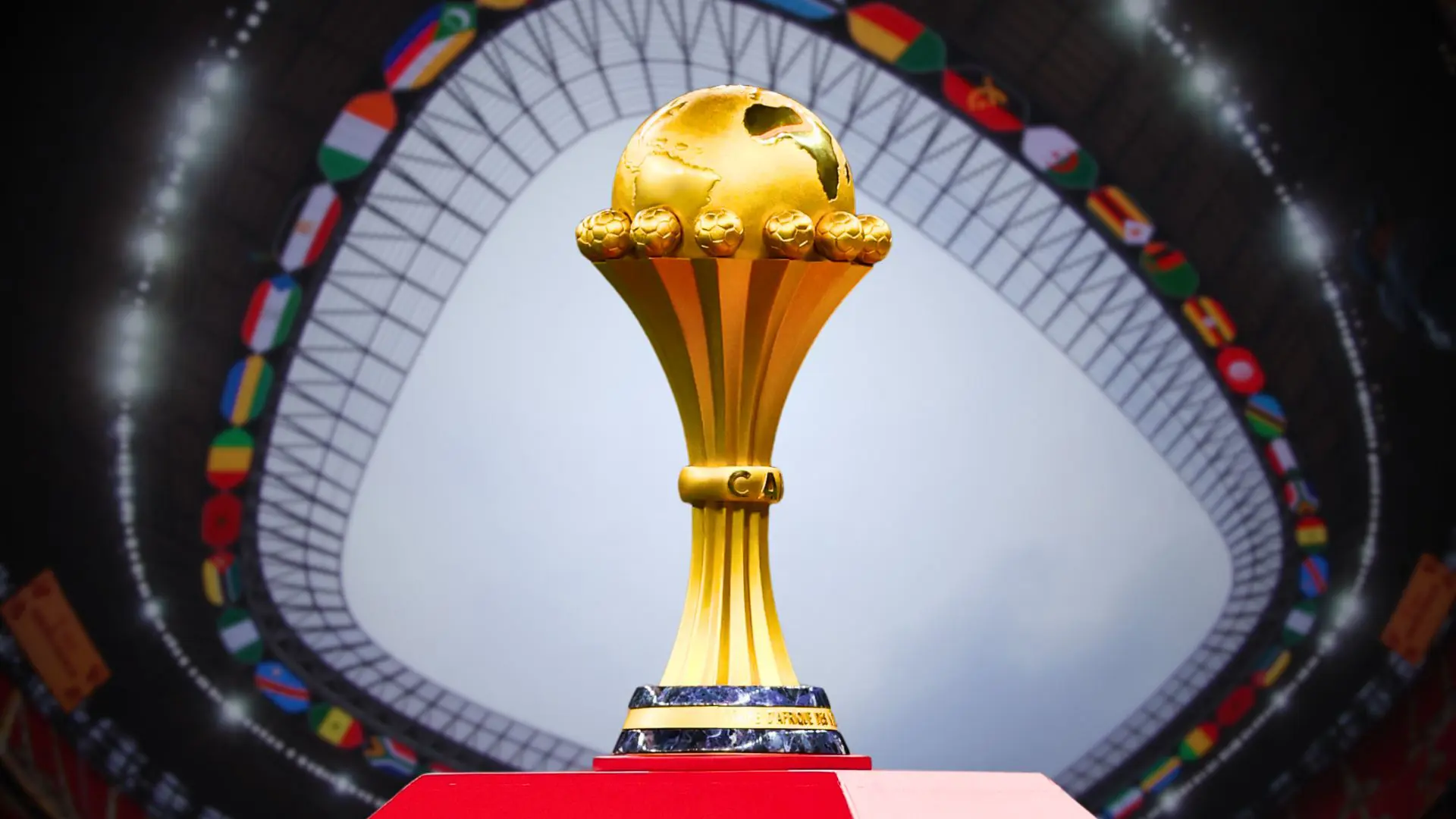
African football has received an important update regarding the future of its biggest international competition. The Confederation of African Football (CAF) has officially confirmed that the Africa Cup of Nations (AFCON) will return to a two-year cycle, reversing its earlier plan to organise the tournament every four years.
he announcement was made on Thursday, October 29, following a unanimous vote by CAF's Executive Committee.
The decision brings an end to months of uncertainty surrounding the competition's calendar and reinforces AFCON's position as a regular centrepiece of international football on the continent.
For national teams, players and supporters, the announcement provides greater clarity about the tournament's future, with the next four editions now scheduled for 2027, 2028, 2031 and 2033.
CAF Reconsiders Its Four-Year Plan
The decision follows discussions led by CAF president Patrice Motsepe, who had previously indicated that the governing body would reconsider its proposal to move AFCON to a four-year cycle.
During CAF's Strategic Conference in Cape Verde, held from October 7 to 9, Motsepe addressed concerns surrounding the financial implications of changing the tournament's traditional format.
The original proposal was linked to the introduction of a new African Nations League, which was initially envisioned as a competition held every two years and eventually replacing the existing AFCON schedule.
However, CAF recognised that the new competition would require several years to generate sufficient revenue to support African football and its national associations.
Following consultations and further discussions, the governing body opted to restore the biennial AFCON format.
In its official announcement, CAF explained that maintaining the competition every two years would help protect the financial stability of African football while supporting the development of competitions across the continent.
The Next Four AFCON Editions Confirmed
CAF also outlined the schedule for the next four editions of the continental tournament.
- 2027: Kenya, Tanzania and Uganda
- 2028: Host details to be confirmed
- 2031: Host details to be confirmed
- 2033: Host details to be confirmed
The 2027 edition will be particularly significant, as Kenya, Tanzania and Uganda will become the first three countries to jointly host the Africa Cup of Nations.
The subsequent tournament will take place in 2028, followed by editions in 2031 and 2033.
Although CAF has restored the two-year cycle, the calendar will not feature an identical two-year gap between every edition. The schedule takes into consideration the international football calendar, particularly the 2030 FIFA World Cup.
CAF indicated that continental national-team competitions may not be organised during a World Cup year, explaining the three-year intervals between some editions.
Financial Stability at the Heart of the Decision
Beyond the competition calendar, financial considerations played a central role in CAF's decision.
AFCON remains one of the most important sources of visibility and commercial activity for African football. Its regular organisation provides opportunities for national associations, sponsors, broadcasters and other stakeholders across the continent.
CAF believes that restoring the two-year cycle will help maintain those opportunities while supporting the development of football infrastructure and competitions.
The proposed African Nations League, meanwhile, would need time to establish itself financially and generate the resources required to support the wider football ecosystem.
Motsepe stressed that the decision was intended to protect the interests of African football, CAF's 54 member associations and African players competing for clubs outside the continent.
The announcement also reflects the importance of AFCON beyond the sporting dimension. The tournament brings together different cultures, communities and supporters, including millions of Africans living across the diaspora.
What the Decision Means for African Football
Restoring AFCON's biennial format provides a clearer framework for national teams preparing for future continental competitions.
It also means that African football will continue to have a major international tournament at regular intervals, offering players opportunities to represent their countries and supporters another occasion to celebrate the continent's football heritage.
For Morocco and the Atlas Lions, the immediate focus remains the 2027 edition in East Africa, where the national team will aim to compete for continental honours.
The confirmed calendar also gives emerging generations of African players a clearer picture of the international opportunities ahead.
AFCON's Future Takes Shape
The latest announcement marks a significant development in the organisation of African football.
After considering a move to a four-year format and exploring the possibility of introducing a new continental competition, CAF has ultimately decided to retain AFCON's traditional two-year cycle.
The next chapter begins in Kenya, Tanzania and Uganda in 2027, before the tournament returns in 2028, 2031 and 2033.
AFCON remains a defining competition in African football, and its return to a biennial schedule ensures that the continent's biggest football celebration will continue to bring nations together every few years.